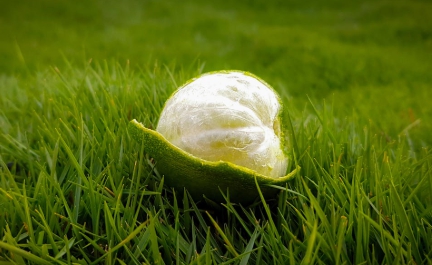
음식의 상태와 맛을 표현하는 형용사
음식의 상태나 맛을 정확하게 표현하면 영어 회화가 훨씬 자연스러워집니다. 아래 단어들은 일상 대화에서 아주 자주 사용되니 꼭 기억해 두세요!

1. edible — 먹을 수 있는, 식용 가능한
If something is edible, it is safe to eat.
Example: Luckily, the mushrooms we picked were all edible.
→ 다행히 우리가 딴 버섯은 모두 먹을 수 있는 것이었어요.
2. crunchy — 바삭바삭한
Sounds loud when you bite it.
Example: The cookies were fresh and really crunchy.
→ 그 쿠키들은 방금 구운 것처럼 정말 바삭바삭했어요.
3. ripe — 잘 익은
Example: The peaches are finally ripe enough to eat.
→ 그 복숭아들은 드디어 먹기 좋게 잘 익었어요.
4. overripe — 너무 익은 (지금 당장 먹어야 함)
Example: These bananas are overripe, so let’s make a smoothie.
→ 이 바나나는 너무 익어서 스무디로 만들어 먹자.
5. rotten — 썩은 (먹으면 안 됨)
Example: I had to throw away the potatoes because they were rotten.
→ 감자가 썩어서 버려야 했어요.
6. raw — 날것의 (안 익힌)
Example: Some people like eating raw fish, like sushi.
→ 어떤 사람들은 스시처럼 생선을 날것으로 먹는 것을 좋아해요.
7. bland — 싱거운, 맛이 없는
Example: This soup tastes bland, so I’ll add some salt.
→ 이 수프는 너무 밍밍해서 소금을 좀 넣어야겠어요.
8. expired / out-of-date — 유통기한이 지난
Example: We shouldn’t drink this milk — it’s already expired.
→ 이 우유는 마시면 안 돼요, 벌써 유통기한이 지났어요.
9. mouldy — 곰팡이가 핀
Example: The cheese turned mouldy because I left it out too long.
→ 치즈를 너무 오래 놔둬서 곰팡이가 생겼어요.
10. stale — 눅눅하거나 딱딱해진 (신선하지 않음)
Example: The bread was so stale that it was hard to chew.
→ 빵이 너무 딱딱해서 씹기 힘들었어요.
11. savoury — 짭짤하고 자극적인 (단맛X)
Example: I prefer savoury snacks like chips and cheese over sweet desserts.
→ 저는 달콤한 디저트보다 칩이나 치즈 같은 짭짤한 간식을 더 좋아해요.
12. bitter — 쓴맛의
Example: The herbal tea was too bitter for me to drink.
→ 그 허브차는 너무 써서 저는 마시기 힘들었어요.
13. sour — 신맛의
Example: The lemon was extremely sour, so I added honey.
→ 레몬이 너무 셔서 꿀을 좀 넣었어요.
 홈 > 영어컨텐츠 > English700 화상영어 보카