Mysterious Animals on Earth
지구상의 신비한 동물들
The Earth is home to millions of species, and while many are familiar to us, there are still countless animals that remain mysterious, strange, and sometimes unbelievable. From the depths of the ocean to the dense rainforests, nature hides creatures that continue to amaze scientists and explorers alike.
지구에는 수백만 종의 생물이 살고 있으며, 그중 많은 동물은 우리에게 익숙하지만 여전히 수수께끼 같고, 이상하며, 때로는 믿기 어려운 동물들도 많습니다. 깊은 바닷속부터 울창한 열대우림까지, 자연은 과학자들과 탐험가들을 계속해서 놀라게 하는 생물들을 숨기고 있습니다.
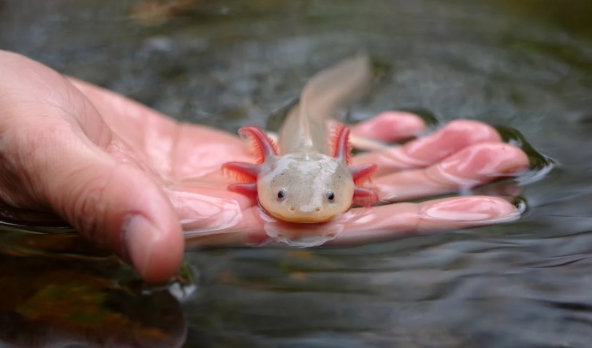
1. Axolotl – The Walking Fish
The axolotl is a rare type of salamander found only in certain lakes in Mexico. What makes this creature so mysterious is its ability to regenerate lost body parts, such as limbs, tail, and even parts of its brain! Unlike other amphibians, axolotls do not go through metamorphosis and remain in their aquatic larval form throughout their lives.
아홀로틀은 멕시코의 특정 호수에서만 발견되는 희귀한 도롱뇽입니다. 이 생물을 신비롭게 만드는 점은 팔다리, 꼬리, 심지어 뇌의 일부까지도 재생할 수 있는 능력입니다! 다른 양서류들과 달리 아홀로틀은 변태 과정을 거치지 않고 일생 동안 수중 유생 상태로 살아갑니다.
2. Narwhal – The Unicorn of the Sea
Narwhals are mysterious marine mammals that live in the Arctic waters. The males are famous for their long, spiral tusks that can grow up to 3 meters. These tusks are actually overgrown teeth, and scientists believe they may help the narwhal detect changes in the ocean or play a role in mating rituals.
일각고래는 북극해에 사는 신비로운 해양 포유류입니다. 수컷은 최대 3미터까지 자라는 나선형의 긴 엄니로 유명합니다. 이 엄니는 사실 과도하게 자란 이빨이며, 과학자들은 이것이 바닷속 환경 변화를 감지하거나 짝짓기 의식에서 중요한 역할을 한다고 보고 있습니다.
3. Glass Frog – A Transparent Marvel
Glass frogs are small amphibians found in Central and South America. What makes them special is their transparent belly, which allows you to see their internal organs, including their heart and liver. This incredible adaptation helps them blend into their environment and avoid predators.
유리개구리는 중앙 및 남아메리카에 서식하는 작은 양서류입니다. 이들을 특별하게 만드는 점은 배 부분이 투명해서 심장과 간 같은 내장 기관을 볼 수 있다는 점입니다. 이러한 놀라운 적응은 포식자로부터 몸을 숨기는 데 도움이 됩니다.
4. Dumbo Octopus – The Deep-Sea Mystery
Named after the Disney character Dumbo due to its ear-like fins, the Dumbo octopus lives in the deep, dark ocean at depths of up to 7,000 meters. Because they live so deep, they are rarely seen, and not much is known about their behavior. They move by flapping their “ears” and gliding through the water, almost like flying.
디즈니 캐릭터 덤보처럼 귀를 닮은 지느러미 때문에 이름 붙여진 덤보 문어는 수심 7,000미터의 깊고 어두운 바닷속에 삽니다. 너무 깊은 곳에 살아 관찰되는 일이 드물고, 그 행동에 대해서는 아직 많은 것이 알려지지 않았습니다. 이들은 귀처럼 생긴 지느러미를 퍼덕이며 물속을 활공하듯이 이동합니다.
5. Saola – The Asian Unicorn
The saola is one of the rarest large mammals on Earth and was only discovered in 1992 in the Annamite Mountains of Laos and Vietnam. It is so elusive that it is often called the “Asian unicorn.” Very few people have seen it in the wild, and its population is extremely small, making it one of the most endangered species in the world.
사올라는 지구상에서 가장 희귀한 대형 포유류 중 하나로, 1992년 라오스와 베트남의 안나마이트 산맥에서 처음 발견되었습니다. 너무 보기 어려워 '아시아의 유니콘'이라는 별명을 가지고 있습니다. 야생에서 이를 본 사람은 극소수이며 개체 수도 극히 적어 세계에서 가장 멸종 위기에 처한 동물 중 하나입니다.
6. Maned Wolf – A Wolf That Isn’t a Wolf
The maned wolf looks like a mix of a fox, a deer, and a wolf. It has long legs that help it walk through tall grasslands in South America. Surprisingly, it is not a true wolf. Its unique appearance and solitary behavior make it one of the most mysterious canines in the animal kingdom.
갈기늑대는 여우, 사슴, 늑대가 섞인 것 같은 외모를 가지고 있습니다. 다리가 매우 길어 남미의 키 큰 초원을 걷기에 적합합니다. 놀랍게도 이 동물은 진짜 늑대가 아닙니다. 독특한 외모와 혼자 사는 습성 덕분에 동물 세계에서 가장 신비한 개과 동물 중 하나로 여겨집니다.
7. Aye-Aye – The Creepy Primate
Native to Madagascar, the aye-aye is a nocturnal primate with large eyes and a thin, bony middle finger. It uses this finger to tap on trees and listen for insect larvae hiding inside, similar to how woodpeckers search for food. Its strange appearance has led to local myths that it brings bad luck, but it plays a vital role in its ecosystem.
마다가스카르에 서식하는 아예아예는 밤에 활동하는 영장류로, 큰 눈과 가느다랗고 뼈처럼 생긴 중지 손가락을 가지고 있습니다. 이 손가락으로 나무를 두드려 안에 숨은 곤충 유충 소리를 듣고 찾아내는 방식으로 먹이를 찾습니다. 독특한 외모 때문에 현지에서는 불운을 가져온다는 전설도 있지만, 생태계에서 중요한 역할을 합니다.
8. Leafy Sea Dragon – The Ocean’s Master of Camouflage
The leafy sea dragon is a close relative of the seahorse and is found in the waters of southern Australia. It has leaf-like appendages all over its body, helping it blend in with seaweed and kelp. This perfect camouflage makes it almost invisible to predators.
리피 시드래곤은 해마의 가까운 친척으로, 호주 남부 바다에 서식합니다. 몸 전체에 잎처럼 생긴 돌기가 나 있어 해조류나 다시마와 잘 어우러집니다. 이 완벽한 위장은 포식자들로부터 몸을 숨기는 데 매우 효과적입니다.
9. Gerenuk – The Giraffe Gazelle
Gerenuks are antelopes from East Africa with long necks that allow them to reach higher leaves, much like giraffes. They can stand on their hind legs to feed on bushes and trees. Their odd proportions and upright feeding style give them a graceful but unusual appearance.
게레눅은 동아프리카에 서식하는 영양으로, 기린처럼 긴 목을 가지고 있어 더 높은 나뭇잎을 먹을 수 있습니다. 뒷다리로만 서서 관목이나 나무의 잎을 먹기도 합니다. 특이한 신체 비율과 직립 먹이 섭취 방식은 이 동물을 우아하면서도 독특하게 보이게 합니다.
Mysterious Animals – Vocabulary Study Sheet
지구상의 신비한 동물 – 영단어 학습자료
1 species 종(種), 생물의 종류
There are millions of species on Earth.
지구에는 수백만 종의 생물이 있다.
2 mysterious 신비로운
The axolotl is a mysterious creature.
아홀로틀은 신비한 생물이다.
3 regenerate 재생하다
It can regenerate its limbs.
그것은 팔다리를 재생할 수 있다.
4 limb 팔다리
Some animals can regrow lost limbs.
어떤 동물들은 잃은 팔다리를 다시 자라나게 할 수 있다.
5 metamorphosis 탈바꿈, 변태
Frogs go through metamorphosis.
개구리는 변태 과정을 겪는다.
6 tusk 엄니
The narwhal’s tusk can grow very long.
일각고래의 엄니는 매우 길게 자란다.
7 detect 감지하다
The tusk may help detect changes.
그 엄니는 변화를 감지하는 데 도움이 될 수 있다.
8 ritual 의식, 의례
Animals often have mating rituals.
동물들은 종종 짝짓기 의식을 가진다.
9 transparent 투명한
The frog has a transparent belly.
그 개구리는 투명한 배를 가지고 있다.
10 internal organs 내부 기관
You can see its internal organs.
그 안의 내부 기관을 볼 수 있다.
11 blend in 섞이다, 주변에 녹아들다
It blends in with the environment.
그것은 주변 환경에 잘 섞인다.
12 predator 포식자
The camouflage protects it from predators.
위장은 포식자로부터 그것을 보호한다.
13 depth 깊이
It lives at great ocean depths.
그것은 매우 깊은 바다에서 산다.
14 glide 미끄러지듯 움직이다
It glides through the water.
그것은 물속을 미끄러지듯 이동한다.
15 elusive 보기 힘든, 도달하기 어려운
The saola is an elusive animal.
사올라는 보기 어려운 동물이다.
16 endangered 멸종 위기의
It is one of the most endangered species.
그것은 가장 멸종 위기에 처한 종 중 하나이다.
17 solitary 혼자 사는, 고독한
The maned wolf is a solitary creature.
갈기늑대는 혼자 사는 동물이다.
18 proportion 비율, 균형
Its proportions are unusual.
그 동물의 비율은 독특하다.
19 tap 톡톡 두드리다
It taps trees to find insects.
그것은 나무를 두드려 곤충을 찾는다.
20 myth 신화, 미신
Some believe in local myths.
일부는 지역 미신을 믿는다.
21 camouflage 위장
Sea dragons use camouflage to survive.
시드래곤은 생존을 위해 위장을 사용한다.
22 appendage 돌기, 부속 기관
It has leaf-like appendages.
그것은 잎 모양의 돌기를 가지고 있다.
23 kelp 다시마
It hides among kelp and seaweed.
그것은 다시마와 해조류 속에 숨어 있다.
24 graze 풀을 뜯다
It grazes on tall grass.
그것은 키 큰 풀을 뜯어 먹는다.
25 upright 똑바로 선
It eats in an upright position.
그것은 똑바로 서서 먹이를 먹는다.
26 nocturnal 야행성의
The aye-aye is a nocturnal animal.
아예아예는 야행성 동물이다.
27 ecosystem 생태계
Every animal is part of an ecosystem.
모든 동물은 생태계의 일부이다.
28 habitat 서식지
Their habitats must be protected.
그들의 서식지는 보호받아야 한다.
29 evolution 진화
These animals challenge our ideas of evolution.
이 동물들은 진화에 대한 우리의 생각에 도전한다.
30 marine 해양의
The narwhal is a marine animal.
일각고래는 해양 동물이다.
활용 팁:
단어를 외울 때는 예문과 함께 통째로 암기하는 것이 좋습니다.
하루에 5~10개씩 나눠서 복습하면 더욱 효과적입니다.
 홈 > 영어컨텐츠 > Today's Issue