Throughout Earth's history, countless species have vanished, leaving only traces of their existence. Understanding these extinct animals not only offers a glimpse into the planet's evolutionary past but also underscores the importance of conservation efforts today. In this article, we'll explore some of the most renowned extinct animals, delving into their characteristics, reasons for extinction, and their lasting impact on our world.
지구의 역사 속에서 수많은 종들이 사라졌고, 우리는 그들의 흔적만을 통해 그 존재를 상상할 수 있습니다.
멸종 동물에 대한 이해는 지구 생태계의 진화적 과거를 엿보게 할 뿐 아니라, 오늘날 우리가 자연을 어떻게 보존해야 하는지를 일깨워줍니다.
이 글에서는 역사적으로 유명한 멸종 동물들을 소개하고, 그들의 특징, 멸종 원인, 그리고 인류에게 남긴 교훈에 대해 살펴보겠습니다.
The Dodo: Symbol of Human-Induced Extinction
The dodo (Raphus cucullatus), a flightless bird native to Mauritius, became extinct in the late 1600s. Standing about 3 feet tall and weighing around 15 kilograms, the dodo had no natural predators until humans arrived. Overhunting and the introduction of non-native animals led to its rapid decline. Today, the dodo serves as a poignant reminder of the consequences of human interference with nature.
도도새(Dodo) – 인간에 의해 사라진 새의 상징
도도새는 모리셔스 섬에 살았던 날지 못하는 새로, 1600년대 후반 멸종했습니다.
키는 약 90cm, 몸무게는 15kg 정도였으며 천적이 없던 섬에서 평화롭게 살았습니다.
하지만 인간의 남획과 외래종의 유입으로 급격히 수가 줄며 멸종하게 되었습니다.
오늘날 도도새는 인간의 자연 개입이 어떤 결과를 초래할 수 있는지를 상징합니다.
Woolly Mammoth: Giants of the Ice Age
Roaming the cold tundras of Europe, North America, and northern Asia, the woolly mammoth (Mammuthus primigenius) was a close relative of today's elephants. They stood up to 13 feet tall and had thick fur and long, curved tusks. Climate change and overhunting by humans contributed to their extinction around 10,000 years ago. Recent scientific endeavors aim to bring back the woolly mammoth through genetic engineering, sparking debates about de-extinction ethics.
매머드(Woolly Mammoth) – 빙하기의 거인
유럽, 북미, 아시아 북부의 툰드라 지대에서 살던 매머드는 현생 코끼리와 가까운 친척입니다.
약 4미터에 달하는 키와 긴 털, 구부러진 엄니를 가지고 있었습니다.
기후 변화와 인간의 사냥으로 인해 약 1만 년 전 멸종했습니다.
최근에는 유전자 공학 기술로 매머드를 되살리려는 시도도 이뤄지고 있습니다.
Tasmanian Tiger: The Thylacine's Tragic Tale
The Tasmanian tiger, or thylacine (Thylacinus cynocephalus), was a carnivorous marsupial native to Tasmania, Australia, and New Guinea. Resembling a large dog with stripes, it was the apex predator in its habitat. Intensive hunting, habitat destruction, and introduced diseases led to its extinction in the 20th century, with the last known individual dying in captivity in 1936.
태즈메이니아 호랑이(Thylacine) – 비운의 육식 캥거루
태즈메이니아, 오스트레일리아, 뉴기니에 살던 유대류로 개처럼 생겼으며, 줄무늬가 특징입니다.
최상위 포식자로 군림했지만 무분별한 사냥, 서식지 파괴, 질병 등으로 인해 개체 수가 급감했습니다.
1936년 마지막 개체가 사육 상태에서 죽으며 멸종되었습니다.
Passenger Pigeon: From Billions to None
Once numbering in the billions, the passenger pigeon (Ectopistes migratorius) was native to North America. Their massive flocks could darken the sky for hours. However, relentless hunting and habitat loss led to their rapid decline, with the last known individual, named Martha, dying in captivity in 1914. This extinction highlighted the devastating impact of unregulated exploitation.
여행비둘기(Passenger Pigeon) – 수십억에서 0까지
한때 북미 대륙에 수십억 마리 이상 서식하던 여행비둘기는 엄청난 수의 떼를 지어 하늘을 뒤덮을 정도였습니다.
그러나 무분별한 사냥과 서식지 파괴로 인해 수가 급격히 줄었고, 1914년 마지막 개체 ‘마사’가 죽으며 사라졌습니다.
Great Auk: The Northern Penguin
The great auk (Pinguinus impennis) was a flightless bird that lived in the North Atlantic. Standing about 30 inches tall, they were excellent swimmers. Overhunting for their feathers, meat, and oil, combined with egg collection, led to their extinction in the mid-19th century. The last confirmed sightings were in 1844.
큰바다쇠오리(Great Auk) – 북극해의 펭귄
북대서양에 살았던 날지 못하는 새로 수영에는 능했습니다.
그러나 깃털과 고기, 기름을 얻기 위한 남획과 알 수집으로 19세기 중반 멸종했습니다.
마지막 개체는 1844년에 목격되었습니다.
West African Black Rhinoceros: A Recent Loss
Declared extinct in 2011, the West African black rhinoceros (Diceros bicornis longipes) was a subspecies of the black rhino. Poaching for their horns and habitat loss were primary factors in their decline. Their extinction underscores the ongoing threats faced by rhino species worldwide.
서아프리카 검은 코뿔소 – 최근의 상실
2011년 공식적으로 멸종된 이 코뿔소는 검은 코뿔소의 아종입니다.
밀렵과 서식지 파괴가 주요 원인으로, 현재에도 코뿔소 종 전체가 심각한 위협에 놓여 있습니다.
Pyrenean Ibex: The First De-Extinction Attempt
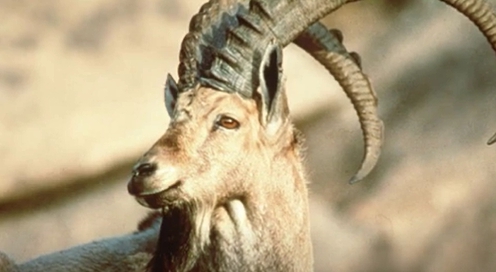
The Pyrenean ibex (Capra pyrenaica pyrenaica) was native to the Iberian Peninsula. It was declared extinct in 2000 due to overhunting and competition with domestic livestock. In 2003, scientists attempted to clone the species, resulting in a short-lived calf, marking the first de-extinction effort.
피레네 아이벡스(Pyrenean Ibex) – 첫 복원 시도
스페인과 프랑스 피레네 산맥에 살던 야생 염소는 2000년 멸종했습니다.
가축과의 경쟁, 과도한 사냥 등이 원인이었습니다.
2003년 복제를 통해 한 마리를 부활시키는 데 성공했으나, 그 개체는 몇 분 만에 사망했습니다.
Steller's Sea Cow: Gentle Giants of the Sea
Discovered in 1741 around the Commander Islands in the Bering Sea, Steller's sea cow (Hydrodamalis gigas) was a massive marine mammal, reaching lengths of up to 30 feet. Hunted extensively for their meat, fat, and hide, they were driven to extinction by 1768, just 27 years after their discovery.
스텔러 바다소(Steller’s Sea Cow) – 해양의 온순한 거인
1741년 발견된 스텔러 바다소는 길이 9미터, 체중 수 톤에 달하는 해양 포유류였습니다.
단 27년 만에 인간의 남획으로 인해 1768년 완전히 멸종되었습니다.
Causes of Extinction: A Closer Look
Several factors have contributed to the extinction of species:
Overhunting and Overfishing: Unsustainable hunting practices have led to the rapid decline of numerous species.
Habitat Destruction: Deforestation, urbanization, and agriculture have destroyed natural habitats, leaving species without homes.
Introduction of Invasive Species: Non-native species can outcompete, prey upon, or introduce diseases to native species.
Climate Change: Rapid environmental changes can alter habitats and food sources, making survival difficult.
멸종의 원인
다양한 동물들의 멸종에는 공통적인 원인들이 존재합니다:
남획과 남획 어업: 지속 불가능한 사냥과 어획은 수많은 종의 급속한 감소를 초래했습니다.
서식지 파괴: 개발, 농업, 도시화로 인해 많은 생물의 보금자리가 사라졌습니다.
외래종의 침입: 낯선 종은 생태계의 균형을 깨뜨리거나 질병을 퍼뜨립니다.
기후 변화: 빠른 환경 변화는 생존에 필요한 조건을 변화시켜 멸종을 가속화합니다.
De-Extinction: Science Fiction or Reality?
Advancements in genetic engineering have opened the possibility of bringing back extinct species. Companies like Colossal Biosciences are working on projects to revive species like the woolly mammoth and the thylacine. While these efforts offer hope, they also raise ethical and ecological questions about the implications of reintroducing species into modern ecosystems.
멸종 생물 복원 – 현실이 될까?
최근 유전자 복제 및 편집 기술의 발전으로 일부 과학자들은 멸종 동물 복원을 시도하고 있습니다.
매머드, 태즈메이니아 호랑이 등을 대상으로 복원 프로젝트가 진행 중이지만, 윤리적, 생태적 논란도 함께 존재합니다.
 홈 > 영어컨텐츠 > Today's Issue