About Mars: 4 Secrets You Need to Know
About Mars—have you ever wondered why this red planet keeps showing up in science headlines? From its unique surface to the hunt for life, let's dive into the real reasons it's so captivating.
화성에 대해서—왜 이 붉은 행성이 계속해서 과학 뉴스에 등장하는 걸까요? 독특한 표면부터 생명체에 대한 탐색까지, 우리가 왜 이렇게 화성에 끌리는지 그 진짜 이유를 함께 살펴보겠습니다.
What Makes Mars So Special?
Mars, often called the “Red Planet,” stands out in our solar system for its striking appearance and intriguing features. Covered in iron-rich dust that gives it a reddish hue, Mars has captivated astronomers and dreamers alike for centuries. It is the fourth planet from the Sun and only about half the size of Earth. Despite its smaller size, Mars has the tallest volcano in the solar system—Olympus Mons—and one of the deepest canyons, Valles Marineris.
화성은 왜 특별할까?
화성은 종종 “붉은 행성”이라고 불리며, 눈에 띄는 외관과 흥미로운 특징으로 태양계에서 독보적인 존재입니다. 철분이 풍부한 붉은색 먼지로 덮여 있어 독특한 색을 띠고 있으며, 수 세기 동안 천문학자들과 탐험가들의 관심을 받아왔습니다. 태양에서 네 번째 행성인 화성은 지구의 약 절반 크기입니다. 하지만 태양계에서 가장 큰 화산인 올림푸스산과 가장 깊은 협곡인 마리너 협곡을 품고 있습니다.
Another unique aspect of Mars is its two small moons, Phobos and Deimos, which scientists believe may have once been asteroids captured by Mars’s gravity. The Martian surface is rocky, barren, and covered with dust storms that can sometimes blanket the entire planet. Unlike Earth, it lacks liquid water on the surface today, but signs of ancient riverbeds and polar ice caps suggest it once had a much wetter past.
화성에는 포보스와 데이모스라는 두 개의 작은 위성이 있습니다. 과학자들은 이들이 한때 소행성이었다가 화성의 중력에 의해 포획되었을 가능성이 있다고 보고 있습니다. 화성의 표면은 바위투성이이고 황량하며, 때로는 행성 전체를 뒤덮는 거대한 먼지 폭풍이 발생합니다. 현재는 액체 상태의 물이 없지만, 과거에는 강과 호수가 있었던 흔적과 극지방의 얼음으로 인해 물이 존재했던 적이 있음이 암시됩니다.
Mars also shares similarities with Earth that make it a subject of intense study. A day on Mars, called a “sol,” is only slightly longer than a day on Earth—24 hours and 39 minutes. Its seasons and axial tilt are also comparable to Earth’s, fueling speculation about its past and future habitability.
또한, 화성은 지구와 유사한 점도 많습니다. 화성의 하루인 ‘솔(sol)’은 지구 하루보다 약간 긴 24시간 39분입니다. 계절과 자전축의 기울기도 지구와 비슷하여, 화성의 과거 혹은 미래 생명체 존재 가능성에 대한 흥미를 더욱 자극하고 있습니다.
Can Life Exist on Mars?
The question of life on Mars has intrigued scientists and the public for generations. While no definitive proof of living organisms has been found, multiple discoveries hint that Mars might have once supported microbial life—or may still harbor it beneath its surface. In recent years, NASA's rovers have found compelling evidence of ancient riverbeds, dried lake beds, and minerals that only form in the presence of water.
화성에 생명체가 존재할 수 있을까?
화성에 생명체가 존재할 수 있는가에 대한 질문은 수십 년간 과학자들과 대중의 호기심을 자극해 왔습니다. 아직 생명체의 직접적인 증거는 없지만, 미생물 생명이 존재했거나 현재도 존재할 수 있다는 여러 단서들이 발견되고 있습니다. 최근 수년간 NASA의 탐사 로버들은 오래된 강바닥, 말라붙은 호수 흔적, 그리고 물의 존재를 암시하는 광물을 발견했습니다.
One of the most exciting discoveries came from the Curiosity and Perseverance rovers, which detected organic molecules in Martian soil. These carbon-based compounds are essential building blocks for life as we know it. Although their presence doesn't confirm life, they do suggest that Mars once had the conditions necessary for life to develop.
특히 큐리오시티(Curiosity)와 퍼서비어런스(Perseverance) 로버는 화성 토양에서 유기물 분자를 검출한 바 있습니다. 이 탄소 기반 분자들은 생명의 기본 구성 요소입니다. 물론 이 자체로 생명의 존재를 의미하는 것은 아니지만, 생명이 자랄 수 있었던 환경이 한때 존재했음을 암시합니다.
Scientists are especially interested in the possibility of life below Mars’s surface. There, protected from harsh radiation and extreme temperatures, microbial organisms could potentially survive. The search for life is not only about finding aliens—it’s about understanding whether life is a rare occurrence or a common outcome of planetary evolution.
과학자들은 특히 화성의 지하에 주목하고 있습니다. 표면보다 방사선과 온도의 영향을 덜 받는 지하 환경에서는 미생물이 생존할 수 있을 가능성이 있습니다. 화성에서 생명체를 찾는 노력은 외계 생명만을 위한 것이 아니라, 생명이 얼마나 흔하거나 희귀한 현상인지 이해하기 위한 여정이기도 합니다.
Current and future missions continue to explore this question. Instruments onboard rovers, landers, and orbiters are designed to analyze soil, detect gases like methane (a potential sign of life), and eventually bring samples back to Earth for more detailed study.
현재와 미래의 화성 탐사 임무들은 이러한 질문에 답을 찾기 위해 계속되고 있습니다. 로버와 착륙선, 궤도선들은 토양 분석, 메탄 등 생명 존재 가능성을 암시하는 가스 검출, 그리고 샘플을 지구로 가져오는 임무 등을 수행하고 있습니다.
The Temperature Extremes of Mars
Mars is a cold and unforgiving world. The average temperature on the Martian surface hovers around -63°C, far colder than anything we experience on Earth. At night, temperatures can plummet to -125°C, especially near the planet's poles. During the daytime near the equator, it can briefly rise to about 20°C, but these warmer moments are rare and short-lived.
화성의 극한 온도
화성은 춥고 가혹한 세계입니다. 화성 표면의 평균 기온은 약 -63°C로, 지구에서 경험할 수 없는 혹한입니다. 밤에는 특히 -125°C까지 떨어지며, 주로 극지방에서 이러한 온도가 관찰됩니다. 적도 근처에서 낮 동안에는 잠깐 동안 약 20°C까지 올라가기도 하지만 매우 드물고 일시적입니다.
The planet’s thin atmosphere—made mostly of carbon dioxide—offers little insulation or protection from the harsh conditions of space. Unlike Earth, Mars cannot retain heat efficiently, which causes extreme temperature fluctuations between day and night. This poses a major challenge for any potential human missions or future colonization. Designing equipment and habitats that can withstand these conditions requires cutting-edge technology and constant innovation.
화성의 대기는 대부분 이산화탄소로 이루어져 있으며 매우 얇아 보온 기능이 거의 없습니다. 지구와 달리 열을 유지하지 못하기 때문에 낮과 밤의 온도 차가 극심합니다. 이는 향후 인간 탐사나 거주를 위한 큰 도전 과제로 작용합니다. 이러한 극한의 환경에 견딜 수 있는 장비와 거주지를 설계하기 위해서는 첨단 기술이 필수적입니다.
Interestingly, the low temperatures and lack of a thick atmosphere have preserved many of Mars’s surface features for billions of years. This helps scientists study the planet’s history more clearly than they can on dynamic Earth. However, for anyone dreaming of walking on Mars, the temperature is a stark reminder of the dangers that come with exploring this distant world.
하지만 이러한 저온 환경 덕분에 화성의 표면은 수십억 년간 비교적 그대로 보존될 수 있었습니다. 이는 지질학적 과거를 연구하는 데 있어 큰 이점입니다. 그러나 화성을 직접 걷고자 하는 이들에게는 이러한 기온이 얼마나 위험한지를 상기시키는 요소이기도 합니다.
Why Are We So Interested in Mars?
Mars captures our imagination like no other planet. It's not just because it’s nearby or looks dramatic in the night sky. People are drawn to Mars because it represents a frontier—both scientifically and culturally. The possibility that life once existed, or may still exist, makes Mars one of the most compelling subjects in space exploration.
우리는 왜 화성에 관심을 가질까?
화성은 그저 가까이 있는 행성이라서가 아니라, 인류의 상상력을 사로잡는 독특한 매력을 지니고 있습니다. 생명체가 존재했거나 존재하고 있을지도 모른다는 가능성, 그리고 언젠가 사람이 살 수 있는 제2의 지구가 될 수도 있다는 기대감이 이끌어 갑니다.
Scientifically, Mars offers clues about the early solar system and how planets evolve over time. Its geological features suggest that water once flowed across its surface, hinting at a more Earth-like past. Exploring Mars helps us understand not just its history, but also our own planet’s climate and potential future.
과학적으로는 태양계 초기의 환경, 그리고 행성의 진화를 이해하는 데 핵심적인 실마리를 제공해 줍니다. 과거 물의 흔적은 화성이 한때 지구와 비슷한 환경을 가지고 있었음을 암시합니다. 따라서 화성을 연구하는 것은 지구의 미래나 환경 변화도 예측할 수 있게 해줍니다.
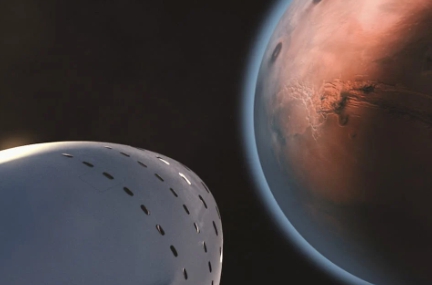
There’s also a practical side. If humanity ever looks to live beyond Earth, Mars is the most likely candidate. It’s the most Earth-like planet we know and could one day host a human colony. Ambitious plans from organizations like NASA and private companies such as SpaceX aim to make this a reality. These missions are not just technological marvels—they’re driven by the hope of survival, innovation, and the natural human urge to explore.
또한 현실적인 측면에서도, 인류가 지구 밖에서 살아갈 수 있는 대안을 고민할 때 화성은 가장 유력한 후보입니다. 화성은 지금까지 발견된 행성 중 지구와 가장 유사하며, 실제로 거주 가능성에 대한 구체적인 계획이 수립되고 있습니다. NASA뿐만 아니라 스페이스X와 같은 민간 기업들 또한 화성 이주를 목표로 다양한 임무를 추진 중입니다.
Culturally, Mars has long been a symbol of the unknown. From early science fiction to modern space missions, it has inspired generations to dream big. Whether you're a scientist, an engineer, or simply curious, Mars challenges us to push boundaries and rethink what's possible.
문화적으로도 화성은 오랫동안 상상력의 상징이었습니다. 고전 SF소설부터 최신 우주 탐사까지, 수많은 창작물과 꿈을 자극해온 존재입니다. 화성은 단순한 행성이 아니라, 인류가 도전하고 확장하고자 하는 미래 그 자체입니다.
 홈 > 영어컨텐츠 > Today's Issue