황사에 대해서 Hwang Sa (Yellow Dust)
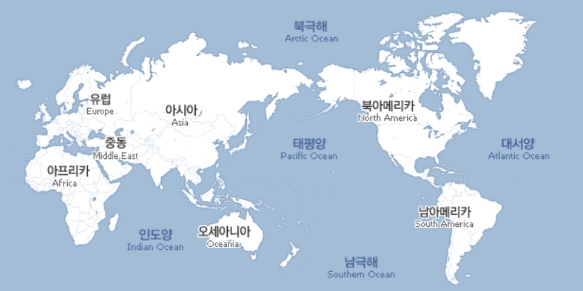
April 12 -- Almost all of South Korea was shrouded Wednesday by a yellow dust storm originating in the Gobi Desert in northern China and Mongolia, the state weather agency said.
The yellow storm had spread to almost all of the country as of 7 a.m. and will affect the entire nation until Thursday, according to the Korea Meteorological Administration (KMA).
A fine dust advisory was issued for all parts of South Korea, authorities said.
4월 12일 -- 수요일 중국 북부와 몽골의 고비사막에서 발생한 황사 폭풍이 한국의 전역을 뒤덮었다고 기상청이 밝혔습니다.
기상청에 따르면 이날 오전 7시를 기점으로 황사는 전국적으로 거의 확산됐으며 목요일까지 전국에 영향을 미칠 것으로 보입니다.
미세먼지 주의보가 전국적으로 발령됐다고 당국이 밝혔습니다.
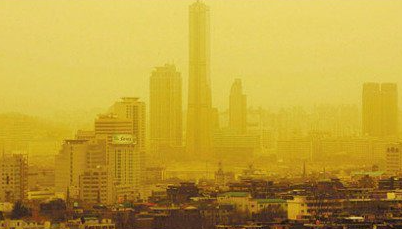
Yellow dust occurs when fine sand dust is blown by the wind from the northern part of China and dry/red clay zones of Mongolia and spreads, covering the sky and blanketing certain regions. Yellow dust generally occurs from March to May when cyclones are active. Sometimes, the dust reaches North America via strong upper-level west winds that pass over Korea, Japan, and the Pacific Ocean.
황사는 중국 북부와 몽골의 건조·황토지대에서 불어오는 바람에 미세한 모래먼지가 퍼져 하늘을 뒤덮고 일부 지역을 뒤덮으면서 발생합니다. 황사는 일반적으로 사이클론이 활동하는 3월부터 5월까지 발생합니다. 때때로 먼지는 한국, 일본 및 태평양을 통과하는 강한 상층 서풍을 통해 북미 지역에 도달합니다.
When yellow dust occurs, sunlight is blocked by airborne particulates, and the sky appears yellowishbrown. Yellow-brown dust also covers the land.
The dust causes various problems in human health, agriculture, industry, transportation, and the oceans. Although Korea and Japan are far from the main dust sources, they are directly impacted by the dust. The intensity and number of yellow dust days have been rapidly increasing since the 1990s.
황사가 발생하면 공기 중의 미세먼지로 햇빛이 차단되어 하늘이 황갈색으로 나타납니다. 황갈색 먼지도 땅을 뒤덮습니다.
먼지는 인간의 건강, 농업, 산업, 운송 및 해양에 다양한 문제를 일으킵니다. 한국과 일본은 주요 먼지 발생원에서 멀리 떨어져 있지만 먼지의 직접적인 영향을 받습니다. 황사의 강도와 횟수는 1990년대 이후 급격히 증가하고 있습니다
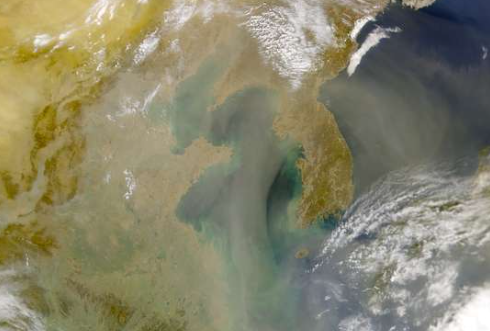
In less than one month a phenomenon dating back to the second century AD will take place - the arrival of “Hwang Sa” or Yellow Dust in Korea. Originating in the deserts of Northern China and Mongolia, Yellow Dust is whisked into the atmosphere by strong winds and carried to the Korean Peninsula via the jet stream. Other than reduced visibility, when the dust arrives it brings along industrial pollutants (like pesticides), viruses, fungi, bacteria, and even heavy metals, none of which are good for respiratory health. Over time, the heavy metals and industrial pollutants also damage crops and soil, meaning the contamination is not restricted to humans.
한 달도 안 되어 서기 2세기로 거슬러 올라가는 현상이 일어날 것입니다, 즉 황사가 한국에 도착했습니다. 중국 북부와 몽골의 사막에서 시작된 황사는 강풍을 타고 대기 중으로 날아가 제트기류를 타고 한반도로 유입됩니다. 가시성이 떨어지는 것 외에도 먼지가 도착하면 산업 오염 물질(예: 살충제), 바이러스, 곰팡이, 박테리아, 심지어 중금속까지 가져오며 이들 중 어느 것도 호흡기 건강에 좋지 않습니다. 시간이 지남에 따라 중금속 및 산업 오염 물질도 작물과 토양을 손상시키므로 오염이 인간에게만 국한되지 않습니다.
When Yellow Dust reaches an unhealthy concentration, around 400 micrograms/cubic meter, people are warned to limit their outdoor activity, especially in regards to heavy exercise and sports. Healthy people can develop sore throats and dry eyes, and children, the elderly, and people with previous respiratory health conditions are advised to remain indoors. In some cases the concentration of Yellow Dust will exceed 800 micrograms/cubic meter, whereupon schools will be closed, outdoor events cancelled and a general warning issued to stay indoors unless going outside is absolutely necessary.
황사 농도가 약 400마이크로그램/입방미터로 건강에 해로운 농도에 도달하면 사람들은 야외 활동, 특히 격렬한 운동 및 스포츠와 관련하여 제한하라는 경고를 받습니다. 건강한 사람은 인후통과 안구건조증이 생길 수 있으며 어린이, 노인, 호흡기 질환이 있는 사람은 실내에 머무르는 것이 좋습니다. 황사 농도가 800마이크로그램/㎥를 넘는 경우도 있어 휴교령이 내려지고 야외행사가 취소되며 부득이한 경우를 제외하고는 실내에 머물라는 일반경보가 내려집니다.
 홈 > 영어컨텐츠 > Today's Issue