What is Deepfake?
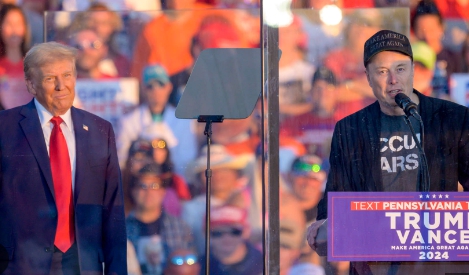
A deepfake is a type of synthetic media created using artificial intelligence (AI) techniques, particularly deep learning. The term "deepfake" is a combination of "deep learning" and "fake." These technologies allow for the creation of highly realistic images, videos, or audio that appear to depict people saying or doing things they never actually did.
딥페이크는 인공 지능(AI) 기술, 특히 딥러닝을 사용하여 만든 합성 미디어의 일종입니다. “딥페이크"라는 용어는 ‘딥러닝’과 ‘페이크’의 합성어입니다. 이러한 기술을 사용하면 사람들이 실제로 한 적이 없는 말이나 행동을 하는 것처럼 보이는 매우 사실적인 이미지, 동영상 또는 오디오를 만들 수 있습니다.
How Deepfakes Work:
Deep Learning: Deepfakes are typically generated using neural networks, especially a type known as Generative Adversarial Networks (GANs). GANs involve two neural networks: a generator that creates fake data and a discriminator that tries to distinguish between real and fake data. Over time, the generator gets better at creating convincing fakes.
딥페이크의 작동 원리:
딥 러닝: 딥페이크는 일반적으로 신경망, 특히 GAN으로 알려진 유형을 사용하여 생성됩니다. GAN에는 가짜 데이터를 생성하는 생성기와 진짜 데이터와 가짜 데이터를 구별하는 판별기라는 두 가지 신경망이 포함됩니다. 시간이 지남에 따라 생성기는 그럴듯한 가짜 데이터를 만드는 데 더 능숙해집니다.
Face Swapping and Manipulation: In video deepfakes, the technology often involves mapping one person’s face onto another’s, allowing for the alteration of facial expressions, lip movements, and even speech patterns to match the desired audio.
비디오 딥페이크에서는 한 사람의 얼굴을 다른 사람의 얼굴에 매핑하여 원하는 오디오에 맞게 얼굴 표정, 입술 움직임, 심지어 음성 패턴까지 변경할 수 있는 기술을 사용합니다.
Types of Deepfakes:
Video Deepfakes: These are the most common and involve altering or generating video content to make it appear that someone is saying or doing something they did not actually do.
동영상 딥페이크: 가장 일반적인 유형으로, 누군가가 실제로 하지 않은 말이나 행동을 하는 것처럼 보이도록 동영상 콘텐츠를 변경하거나 생성하는 것을 포함합니다.
Audio Deepfakes: These involve creating fake audio recordings, such as making it sound like a specific person said something they never did.
오디오 딥페이크: 특정 인물이 한 적 없는 말을 한 것처럼 들리게 하는 등 가짜 오디오 녹음을 만드는 것입니다.
Image Deepfakes: These are manipulated or completely synthetic images that resemble real people or things.
이미지 딥페이크: 실제 사람이나 사물을 닮은 조작된 이미지 또는 완전히 합성된 이미지입니다.
Applications and Concerns:
Positive Uses: Deepfake technology can be used for entertainment, such as in movies or video games, for dubbing foreign films, or for educational purposes.
긍정적인 활용: 딥페이크 기술은 영화나 비디오 게임과 같은 엔터테인먼트, 외국 영화 더빙 또는 교육 목적으로 사용될 수 있습니다.
Negative Uses: Deepfakes have raised significant concerns due to their potential for misuse, such as in creating misleading or harmful content, spreading misinformation, impersonating individuals, or in non-consensual pornography.
부정적인 사용: 딥페이크는 오해의 소지가 있거나 유해한 콘텐츠 제작, 잘못된 정보 유포, 개인 사칭, 비합의적 외설물 등 오용 가능성으로 인해 심각한 우려를 낳고 있습니다.
Detection and Regulation:
Given the potential for harm, there has been significant effort in developing tools to detect deepfakes and regulate their use. AI-driven detection systems are being developed to identify fake content, while some countries and platforms are exploring regulations to curb malicious use.
이러한 잠재적 피해를 감안하여 딥페이크 탐지 및 사용 규제를 위한 도구를 개발하는 데 많은 노력을 기울이고 있습니다. 가짜 콘텐츠를 식별하기 위한 AI 기반 탐지 시스템이 개발되고 있으며, 일부 국가와 플랫폼에서는 악의적인 사용을 억제하기 위한 규제를 모색하고 있습니다.
1. Synthetic (합성의)
뜻: 인공적으로 만들어진, 자연적으로 발생한 것이 아닌.
예문: Synthetic fibers are often used in clothing because they are durable and inexpensive.
(합성 섬유는 내구성이 좋고 저렴하기 때문에 종종 의류에 사용됩니다.)
2. Depict (묘사하다)
뜻: 글이나 그림, 영상 등을 통해 보여주거나 설명하다.
예문: The painting depicts a peaceful landscape at sunset.
(그 그림은 일몰의 평화로운 풍경을 묘사합니다.)
3. Neural Networks (신경망)
뜻: 뇌의 신경세포를 모방하여 설계된 인공지능 모델로, 데이터를 학습하고 예측하는 데 사용됨.
4. Generative (생성의)
뜻: 새로운 것을 만들어내는, 생성하는.
예문: Generative algorithms can create new pieces of music based on existing patterns.
(생성 알고리즘은 기존 패턴을 기반으로 새로운 음악을 만들어낼 수 있습니다.)
5. Discriminator (구별자, 판별장치)
뜻: 생성된 데이터가 진짜인지 가짜인지 구별하는 역할을 하는 모델.
6. Manipulation (조작)
뜻: 사람이나 사물을 교묘하게 다루어 통제하거나 변경하는 것.
예문: The manipulation of the data led to incorrect conclusions.
(데이터 조작으로 인해 잘못된 결론이 도출되었습니다.)
7. Misuse (남용)
뜻: 부적절하거나 잘못된 방식으로 사용함.
8. Impersonate (흉내내다, 가장하다)
뜻: 다른 사람처럼 행동하거나 말하여 그 사람인 척하다.
예문: It is illegal to impersonate a police officer.
(경찰관을 사칭하는 것은 불법입니다.)
9. Misinformation (잘못된 정보)
뜻: 사실이 아닌 정보, 오해를 불러일으키는 정보.
예문: Misinformation can spread quickly on social media, causing confusion and panic.
(잘못된 정보는 소셜 미디어에서 빠르게 퍼져 혼란과 공포를 초래할 수 있습니다.)
10. Non-consensual (비동의의)
뜻: 상대방의 동의 없이 이루어지는.
예문: Non-consensual sharing of intimate photos is a violation of privacy.
(비동의적으로 사적인 사진을 공유하는 것은 프라이버시 침해입니다.)
 홈 > 영어컨텐츠 > Today's Issue