What Are Microplastics and Why Should You Care?
Microplastics are becoming one of the most pressing environmental issues of our time. From the water we drink to the food we eat, tiny plastic particles are invading our daily lives. But what exactly are these microplastics, and why should we be concerned? In this post, we’ll explore the causes, dangers, and problems associated with microplastics, and how they affect both the environment and human health.
미세 플라스틱은 우리 시대의 가장 시급한 환경 문제 중 하나가 되고 있습니다. 우리가 마시는 물부터 먹는 음식에 이르기까지 미세 플라스틱 입자가 우리 일상을 침범하고 있습니다. 그렇다면 이러한 미세 플라스틱이란 정확히 무엇이며, 왜 우리가 우려해야 할까요? 이 글에서는 미세 플라스틱의 원인, 위험성, 문제점, 그리고 환경과 인간의 건강에 미치는 영향에 대해 살펴봅니다.
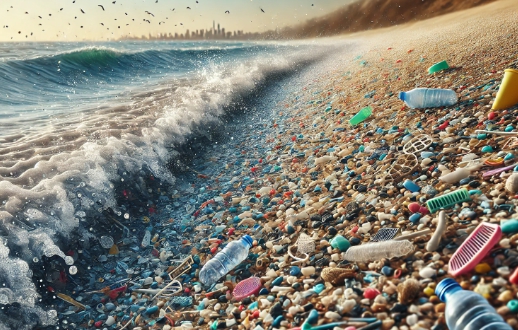
What Are Microplastics?
Microplastics are tiny plastic particles that are less than 5 millimeters in size. They can be classified into two types:
미세 플라스틱이란 무엇인가요?
미세플라스틱은 5mm 미만의 작은 플라스틱 입자입니다. 미세 플라스틱은 크게 두 가지 유형으로 분류할 수 있습니다:
Primary microplastics: These are intentionally manufactured small plastic particles, often found in products like cosmetics, cleaning products, and industrial materials.
Secondary microplastics: These are formed when larger plastic debris breaks down into smaller pieces due to weathering, sunlight, and other environmental factors.
Microplastics are now found in oceans, rivers, soil, and even the air. Due to their small size, they are difficult to remove and can easily be ingested by animals and humans, entering the food chain.
1차 미세플라스틱: 의도적으로 제조된 작은 플라스틱 입자로, 화장품, 청소용품, 산업 자재 등의 제품에서 흔히 발견됩니다.
2차 미세 플라스틱: 풍화, 햇빛 및 기타 환경적 요인으로 인해 큰 플라스틱 파편이 작은 조각으로 분해될 때 형성됩니다.
미세 플라스틱은 이제 바다, 강, 토양, 심지어 공기 중에서도 발견됩니다. 크기가 작기 때문에 제거하기 어렵고 동물과 사람이 쉽게 섭취하여 먹이사슬에 유입될 수 있습니다.
Problems Caused by Microplastics and Possible Solutions
The widespread presence of microplastics in our environment leads to a range of significant problems:
미세 플라스틱으로 인한 문제와 가능한 해결책
우리 환경에 널리 퍼져 있는 미세플라스틱은 여러 가지 심각한 문제를 야기합니다:
Pollution of Water Bodies: Microplastics are now found in every corner of the oceans, rivers, and lakes. This pollution threatens aquatic life and contaminates the water we rely on for drinking and agriculture.
Food Chain Contamination: As microplastics enter the food chain, they accumulate in animals and plants, making their way back to humans. This raises concerns about the long-term health impacts of consuming contaminated food.
Waste Management Challenges: Traditional waste management systems are not equipped to filter out microplastics. This means that even the best recycling efforts may not be enough to solve the problem.
수질 오염: 미세플라스틱은 이제 전 세계 바다와 강, 호수 어디서든 발견됩니다. 이는 수생 생물에 위협이 되고, 우리가 마시는 물을 오염시킵니다.
먹이사슬 오염: 미세 플라스틱이 먹이사슬에 들어가면 동물과 식물에 축적되어 다시 인간에게로 돌아오게 됩니다. 이로 인해 오염된 식품 섭취가 장기적으로 건강에 미치는 영향에 대한 우려가 제기되고 있습니다.
폐기물 관리의 과제: 기존의 폐기물 관리 시스템에는 미세 플라스틱을 걸러낼 수 있는 기능이 없습니다. 이는 최선의 재활용 노력으로도 문제를 해결하기에는 충분하지 않을 수 있음을 의미합니다.

A 2020 study estimated between 0.8 and three million tonnes of microplastics enter Earth’s oceans in a year.
And a recent report suggests leakage into the environment on land could be three to ten times greater than that to oceans. If correct, it means between ten and 40 million tonnes in total.
2020년 연구에 따르면 연간 80만~300만 톤의 미세 플라스틱이 지구 바다로 유입되는 것으로 추정됩니다.
그리고 최근 보고서에 따르면 육지 환경으로의 누출은 바다로의 누출보다 3~10배 더 클 수 있다고 합니다. 이 주장이 맞다면 총 1천만~4천만 톤에 달한다는 뜻입니다..
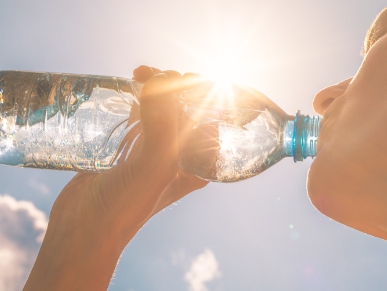
Microplastics have been detected in the water we drink, the air we breathe, and the food we consume, such as seafood, table salt, honey, sugar, beer, and tea. With advancements in technology, scientists have been able to identify even smaller particles, discovering microplastics in our lungs, livers, kidneys, blood, and reproductive organs. These particles have even crossed protective barriers into the brain and heart. Although some microplastics are expelled through urine, feces, and the lungs, many remain in the body for extended periods.
우리가 마시는 물, 숨 쉬는 공기, 해산물, 식탁용 소금, 꿀, 설탕, 맥주, 차 등 우리가 섭취하는 음식에서 미세 플라스틱이 검출되었습니다. 기술의 발전으로 과학자들은 더 작은 입자까지 식별할 수 있게 되어 폐, 간, 신장, 혈액, 생식 기관에서 미세 플라스틱을 발견할 수 있게 되었습니다. 심지어 이러한 입자는 보호 장벽을 넘어 뇌와 심장까지 침투하기도 합니다. 일부 미세 플라스틱은 소변, 대변, 폐를 통해 배출되지만 대부분은 체내에 장기간 남아 있습니다.
Solutions:
Reducing Plastic Use: Limiting the production and consumption of single-use plastics is crucial to reducing the overall volume of plastic waste.
Innovative Materials: Developing biodegradable alternatives to plastics and improving material recycling methods can help limit the creation of microplastics.
해결책:
플라스틱 사용 줄이기: 일회용 플라스틱의 생산과 소비를 제한하는 것이 가장 중요합니다.
혁신적인 소재: 플라스틱을 대체할 생분해성 소재를 개발하고 소재 재활용 방법을 개선하면 미세 플라스틱의 생성을 제한하는 데 도움이 될 수 있습니다.
Several countries have introduced laws to regulate microplastics, but these efforts alone are not enough to tackle the issue. This is where the UN’s Global Plastics Treaty presents a crucial opportunity. The fifth round of negotiations will take place in November. While the treaty aims to cut down on global plastic production, it is essential that it also includes specific measures to address microplastics.
여러 국가에서 미세 플라스틱을 규제하는 법을 도입했지만, 이러한 노력만으로는 이 문제를 해결하기에는 충분하지 않습니다. 바로 이 점에서 유엔의 글로벌 플라스틱 조약이 중요한 기회를 제공합니다. 5차 협상은 11월에 열릴 예정입니다. 이 조약은 전 세계 플라스틱 생산량을 줄이는 것을 목표로 하지만, 미세 플라스틱 문제를 해결하기 위한 구체적인 조치도 포함되어야 합니다.
 홈 > 영어컨텐츠 > Today's Issue